Smart Mobility in Heritage Sites: From Asset Management to Experience Design
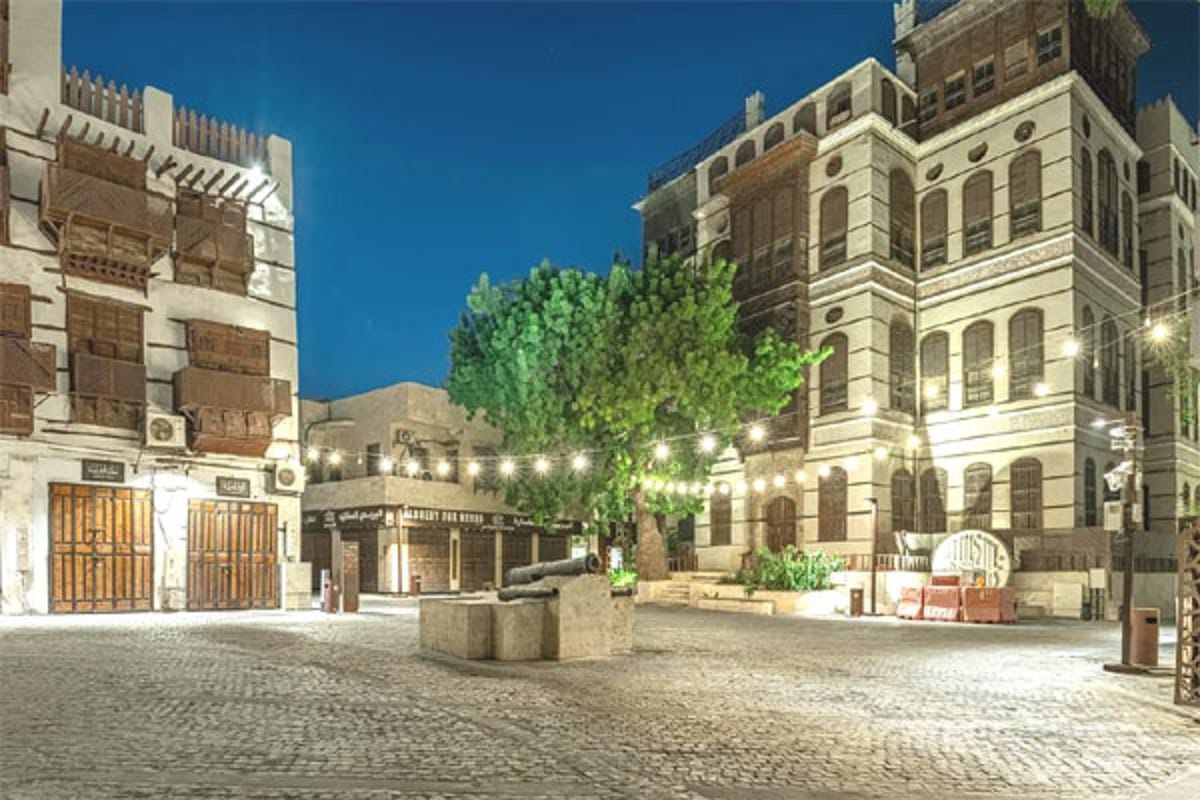
Historic districts, especially UNESCO Heritage sites, face a unique paradox: they have to accommodate modern tourism and commercial progress without losing their original “soul” to traffic congestion and visual clutter. It’s not just an operational issue and it’s not simply a question of resource allocation; it’s a requirement for maintaining the long-term value of the asset. Below, several strategic perspectives and solution pathways are presented to address this challenge.
The Strategic Shift
The concept of pedestrian-first urbanism needs to be implemented in the historical area, this requires minimizing or avoiding on-street parking, as its presence directly competes with pedestrian movement, safety, and spatial quality.
On-Street Parking: Creates visual noise, compromises the historic fabric, and encourages vehicle penetration into the heart of the district.
Off-Street Hubs: These should serve as “Arrival Portals”, separating the chaos of the commute from the serenity of the heritage experience. By moving cars to dedicated peripheries, we reclaim the streets for people.
Vertical & Automated Parking as Spatial Infrastructure
In constrained environments like Old Jeddah, we cannot expand horizontally. The solution lies in vertical and automated systems.
Vertical stacking multiplies capacity: within the same footprint, enabling two to three times the number of vehicles without expanding into heritage streets.
Automated Parking: removing ramps, wide drive aisles, and turning radii-elements that traditionally consume up to 40–50% of parking structures.
Pricing as a Behavioral Regulator
Dynamic pricing plays a supporting role, not a leading one:
· Higher tariffs discourage on-street parking.
· Users are more likely to park in off-street facilities as a result of high pricing in on-street parking.
· Seasonal pricing absorbs demand volatility without adding physical infrastructure.
The District's Pulse
The success of off-street parking depends entirely on the quality of the transition.
Integrated Multimodalism: Linking parking hubs to the district via electric shuttles, micro-mobility (scooters), and shaded “walkable corridors”. Parking is not a terminal function; it is an integral component of the overall mobility system.
Intelligent Logistics: Parking hubs must evolve into "Micro-Logistics Centers". By consolidating deliveries and using electric “last-mile” vans, we support local businesses and markets without allowing heavy trucks to damage fragile historic streets.
Smart mobility in heritage sites is not about managing cars; it is about managing flow. By integrating off-street parking infrastructure with seamless last-mile solutions, we don't just solve a parking problem; we build a sustainable urban model that honors the past while powering the future of Vision 2030.